
Silver Ring Splints
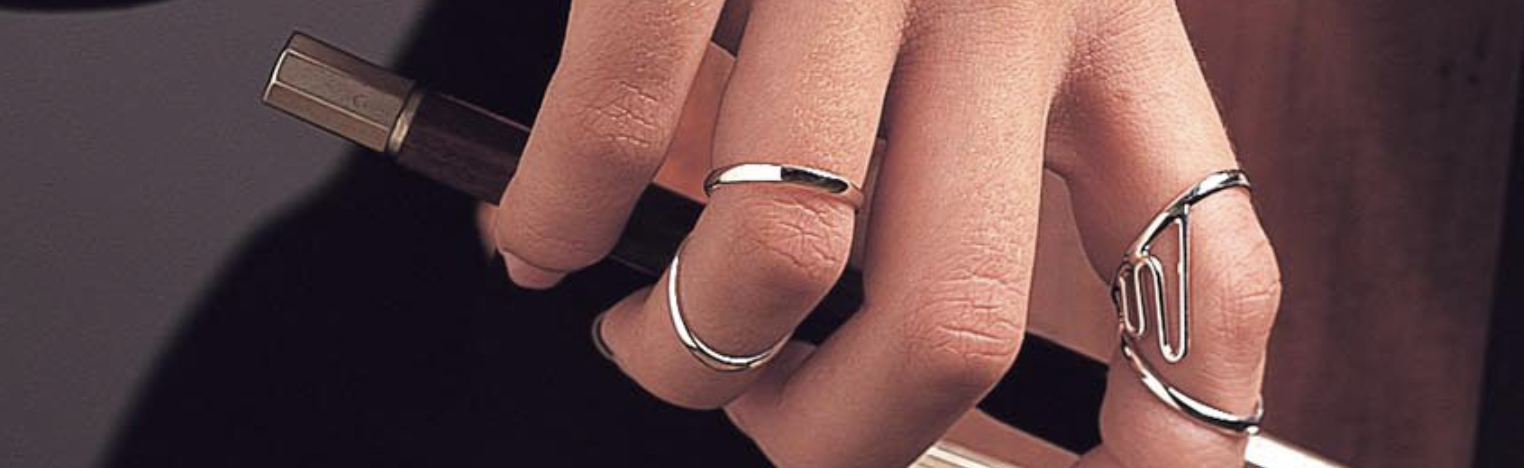
In 1974, occupational therapist Cynthia Garris was forced to take a new look at splint therapy – in that year, she was diagnosed with Rheumatoid Arthritis. She had long believed in the value of splinting, but soon realized that none of the existing technologies addressed the long-term use of splints. While plastic splints were adequate for treating short-term trauma, they were not an ideal solution for lifetime wear. In 1985, she set out to design and manufacture a new series of splints that were both more effective and more attractive than the splints then in use. In the process, she revolutionized splint therapy.
Wearing SilverRing™ Splints removes the stigma of splinting and increases patient compliance. Patients experience positive reactions from others which improves their perspective on treatment.
Whether they need finger stability for hand-intensive work or for everyday tasks like cooking and holding a pencil, thousands of people have made SilverRing™ Splints a valued part of their everyday lives. SilverRing™ Splints encourage complete patient well-being, medically effective hand therapy and a positive self-image.
Get Measured and Order through Coastal Movement Specialists
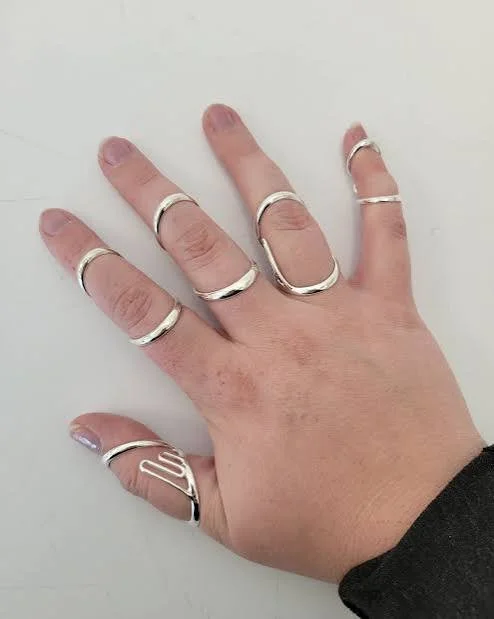
The Process
Review your condition: Discuss relevant diagnoses, disease processes, and injuries affecting your hands.
Assess hand deformities: Evaluate the type and severity of any existing deformities.
Evaluate hand function: Assess overall hand function, strength, and limitations.
Discuss your concerns: Address pain, weakness, decreased strength, functional limitations, and cosmetic concerns.
Take custom measurements: If appropriate, your Occupational Therapist will take precise measurements and complete an order form for Silver Ring Splint Company.
Custom splint fabrication: Silver Ring Splint Company will create your splint using the measurements provided and mail it directly to you.
Final fitting: Once your splint arrives, schedule a follow-up appointment with your therapist to ensure proper fit and function.
Insurance Reimbursement: Review your health plan details to verify coverage for orthotics and splints, then file the appropriate claim forms for reimbursement.